Baseline Study & Analysis on the Energy and Buildings Landscape of Quezon City
Client:
C40 Cities
Location:
Quezon City, Philippines


Client:
C40 Cities
Location:
Quezon City, Philippines
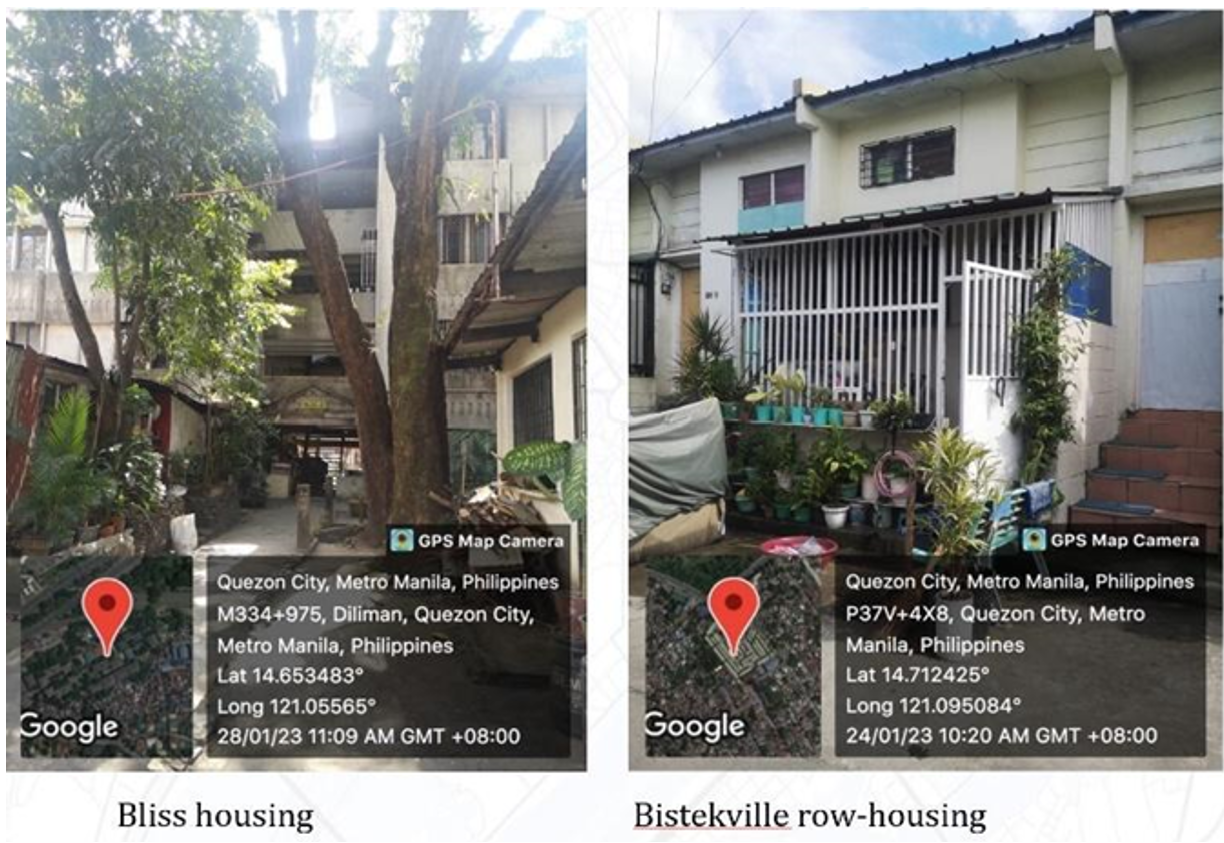
Under the UKAID Climate Action Implementation Program in Southeast Asia, a baseline study was undertaken to analyze the energy and buildings landscape of Quezon City using an energy epidemiology approach. The objective was to establish a clear understanding of stationary energy consumption across sectors and building typologies, providing an evidence-based foundation for climate and energy interventions. The study directly supports two priority actions: strengthening policies and mechanisms to promote green, energy-efficient, and climate-resilient buildings, and expanding renewable energy adoption, particularly through city-wide solarization initiatives and incentive schemes.
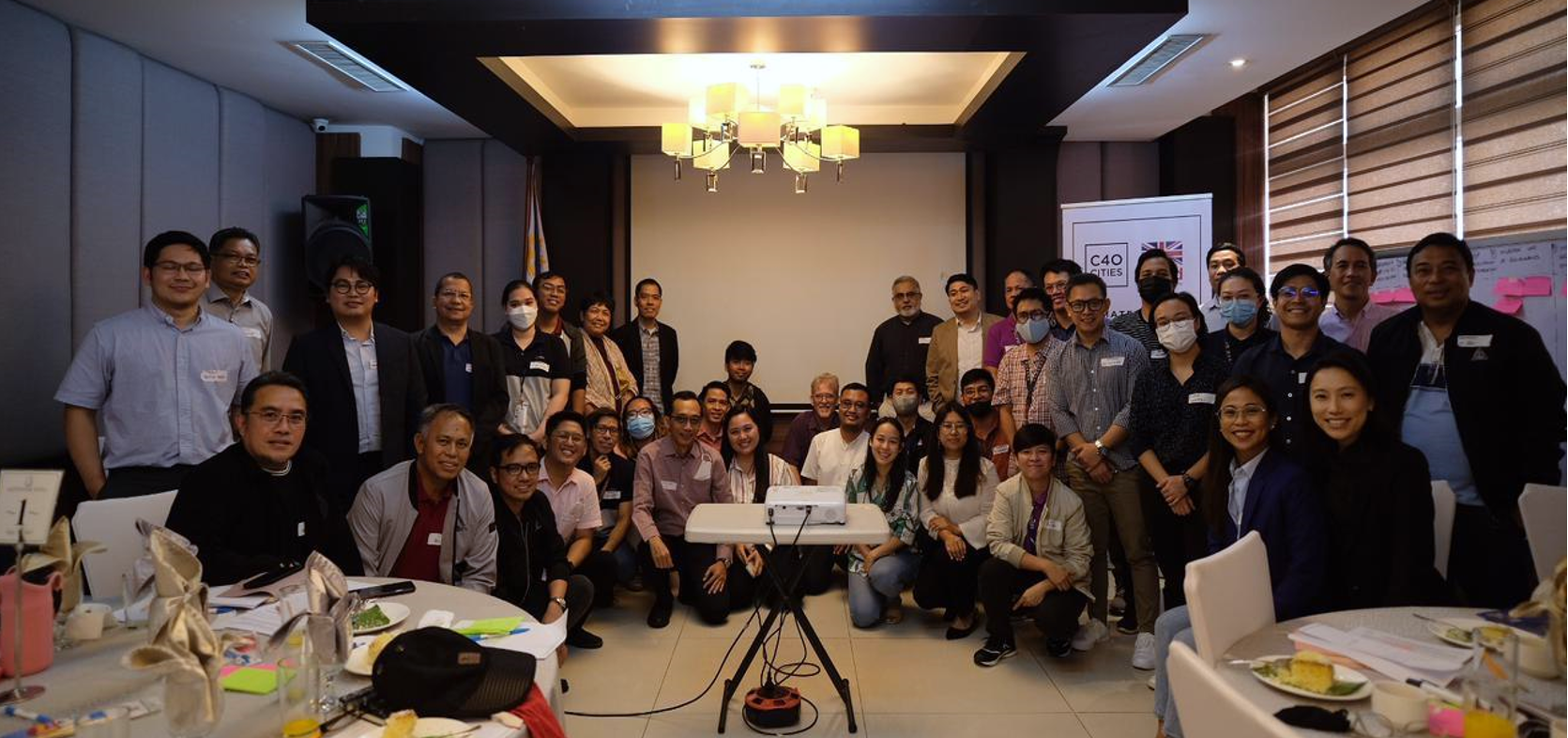
Spatial Decisions team delivered a comprehensive baseline assessment combining quantitative energy analysis with institutional and regulatory review. This included primary and secondary data collection, evaluation of city-level energy data availability, and disaggregation of stationary energy consumption by sector and building typology. We developed a structured methodology for benchmarking and comparative analysis to identify performance gaps and priority sectors. In parallel, we mapped the regulatory and policy environment affecting energy efficiency, renewable energy adoption, and green building standards, identifying facilitating factors, barriers, co-benefits, and key motivators. The findings were synthesized into clear analytical outputs and stakeholder-oriented presentations to ensure policy relevance and practical application.
The baseline study equips Quezon City with a data-driven understanding of its energy and buildings landscape, enabling evidence-based policy refinement and targeted interventions. It strengthens the foundation for improving green building regulations, accelerating renewable energy uptake, and aligning investments with long-term low-carbon and climate-resilient urban development goals.