Assisting TNUIFSL under Tamil Nadu Sustainable Municipal Infrastructure Funds
Client:
Project Development Grant Fund (PDGF), managed by Tamil Nadu Urban Infrastructure Financial Services Limited (TNUIFSL)
Location:
Tamil Nadu, India


Client:
Project Development Grant Fund (PDGF), managed by Tamil Nadu Urban Infrastructure Financial Services Limited (TNUIFSL)
Location:
Tamil Nadu, India
Rapid urbanization in Tamil Nadu has increased exposure to climate-related risks such as urban flooding, extreme heat, and water scarcity. Municipal infrastructure systems are under growing pressure, and conventional planning approaches are no longer sufficient to address these challenges. Under the Tamil Nadu Sustainable Municipal Infrastructure Fund – Phase III (SMIF-TN III), supported by KfW Development Bank, there is a strong need to systematically integrate climate change adaptation into municipal infrastructure planning, financing, and implementation. To respond to this, TNUIFSL engaged a Climate Change Adaptation Expert to support the mainstreaming of climate resilience across urban projects in the state.
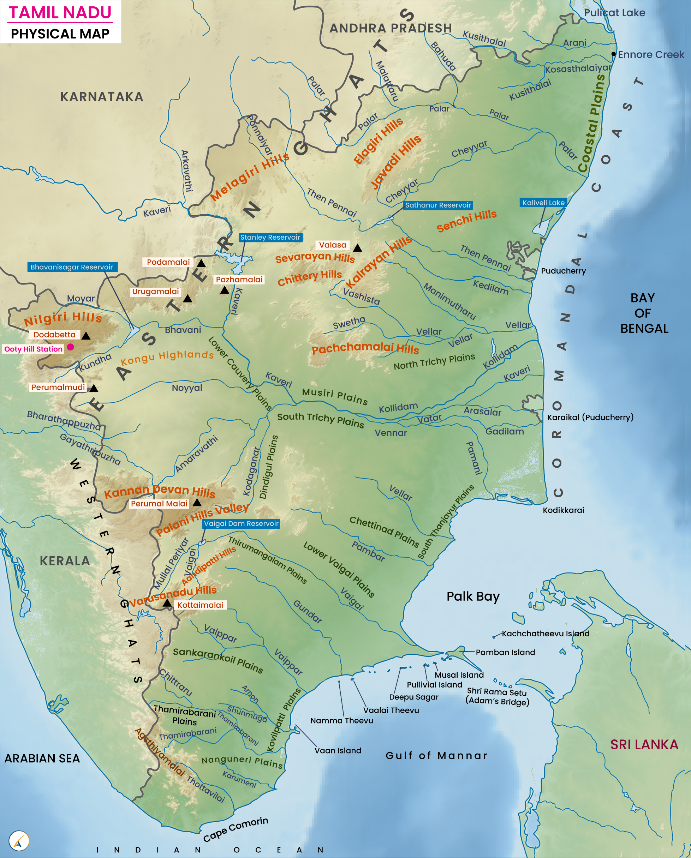
As Lead Consultant, Spatial Decisions provides long-term technical assistance to TNUIFSL and urban local bodies across Tamil Nadu to embed climate change adaptation into the full lifecycle of municipal infrastructure projects. This includes conducting climate risk and vulnerability assessments, developing practical tools and guidelines for climate-resilient planning, and supporting project appraisal and design processes. The team works closely with municipal officials, stakeholders, and joint venture partners through consultations and capacity-building workshops, while ensuring alignment with national policies and international environmental and social safeguards, including KfW requirements.
Through this sustained technical support, climate risk management becomes an integral part of urban infrastructure development in Tamil Nadu. Municipalities are better equipped to plan, finance, and implement infrastructure that is resilient to climate change impacts, leading to more robust, adaptable, and sustainable urban systems. The project strengthens institutional capacity within TNUIFSL and local governments, improves the quality of infrastructure investments, and supports long-term urban resilience across the state.