Sponge City Model Design for Thailand towards Urban Resilience
Client:
ADB
Location:
Bangkok & Khon Kaen, Thailand


Client:
ADB
Location:
Bangkok & Khon Kaen, Thailand
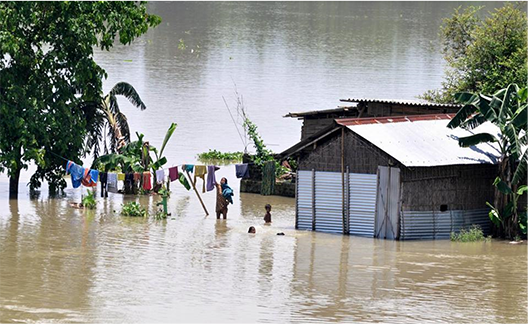
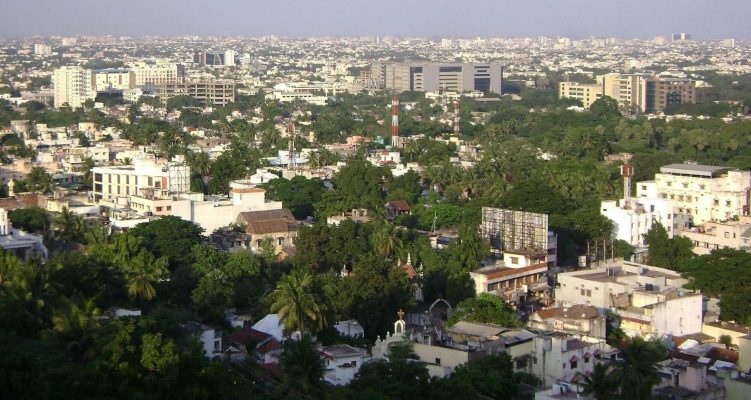
Like many countries around the world, Thailand is increasingly affected by the impacts of climate change. Many urban areas in the country are facing the risk of flooding, drought, and rising urban temperatures. Conventional infrastructure alone is no longer sufficient to address these challenges, creating a need for effective and scalable urban climate resilience solutions. To address these issues, the Sponge City Model project was initiated, aiming to reshape how cities manage water, land, and climate risks, while improving urban livability and sustainability.
In this project, Spatial Decisions contributes technical expertise to develop reports, national guidelines, policy recommendations, and financing strategies tailored to the Thai context.
The team successfully delivered a comprehensive range of services to support the development and implementation of the Thailand Sponge City Model, integrating nature-based solutions (NBS) into urban planning and infrastructure systems. This work laid a foundation for urban resilience strategies across the selected pilot cities. Spatial Decisions also provides capacity building to national and local government officials through presentations and training sessions.
By integrating sponge city principles into planning, policy, and investment decisions, Thailand will have more capacity and experience in enhancing urban resilience to floods, droughts, and heat stress while ensuring quality of life for its residents. The project outcomes support the implementation of a national sponge city program, and this scalable model can be adapted across Thailand and potentially in other Southeast Asian cities facing similar climate challenges.