Preparation of Master Plan of Banihal town in Jammu Division
Client:
Town Planning Organization, Jammu, Government of Jammu and Kashmir
Location:
Banihal, Jammu and Kashmir


Client:
Town Planning Organization, Jammu, Government of Jammu and Kashmir
Location:
Banihal, Jammu and Kashmir
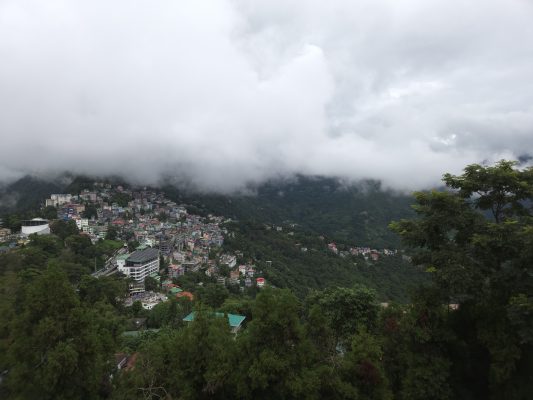
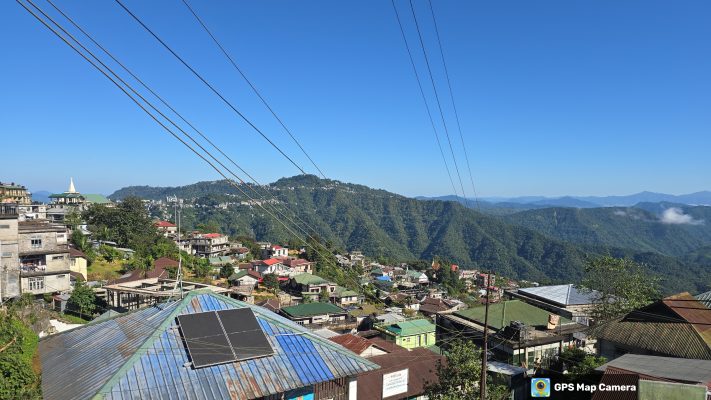
The Government of Jammu and Kashmir initiated the preparation of Master Plans for selected small and medium towns, including Banihal, to address challenges arising from unplanned urban growth. Banihal faces issues such as haphazard expansion, inadequate infrastructure, incompatible land use, environmental degradation, and traffic congestion. Located in a hilly and environmentally sensitive area, the town requires a balanced and sustainable development framework.
The Master Plan, prepared for the horizon year 2034, aims to guide orderly urban growth, strengthen the local economic base, improve infrastructure and services, and promote sustainable urbanization through a participatory and context-sensitive approach.

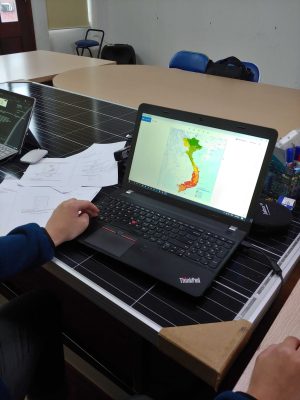
We developed the Master Plan using a GIS-based platform, including preparation of base maps (1:5000 scale), existing and proposed land use maps, and urban area maps. The assignment involved collection and analysis of physical and socio-economic data, household and transport surveys, and detailed land use assessments. We conducted growth projections, SWOT analysis, and formulated alternative development scenarios. The plan included proposals for residential, commercial, industrial, tourism, heritage conservation, environmental protection, housing, and socio-cultural infrastructure development. A comprehensive Transportation Network Plan was prepared along with strategies for urban poverty alleviation, rehabilitation of street vendors, infrastructure upgrades, and community facilities. The final outputs included an implementation strategy, phased development plan, institutional framework, and stakeholder consultations.
The Master Plan provides Banihal with a structured roadmap for sustainable and inclusive urban growth up to 2034. It supports improved infrastructure planning, environmental conservation, economic development using local resources, and enhanced quality of life, while ensuring that growth is managed in a resilient and participatory manner suited to the town’s sensitive terrain and regional context.