Mobility Study for Mahakaal Rudrasagar Integrated Development Approach (MRIDA)
Client:
Ujjain Smart City Limited/PADECO India
Location:
Ujjain, India
Client:
Ujjain Smart City Limited/PADECO India
Location:
Ujjain, India
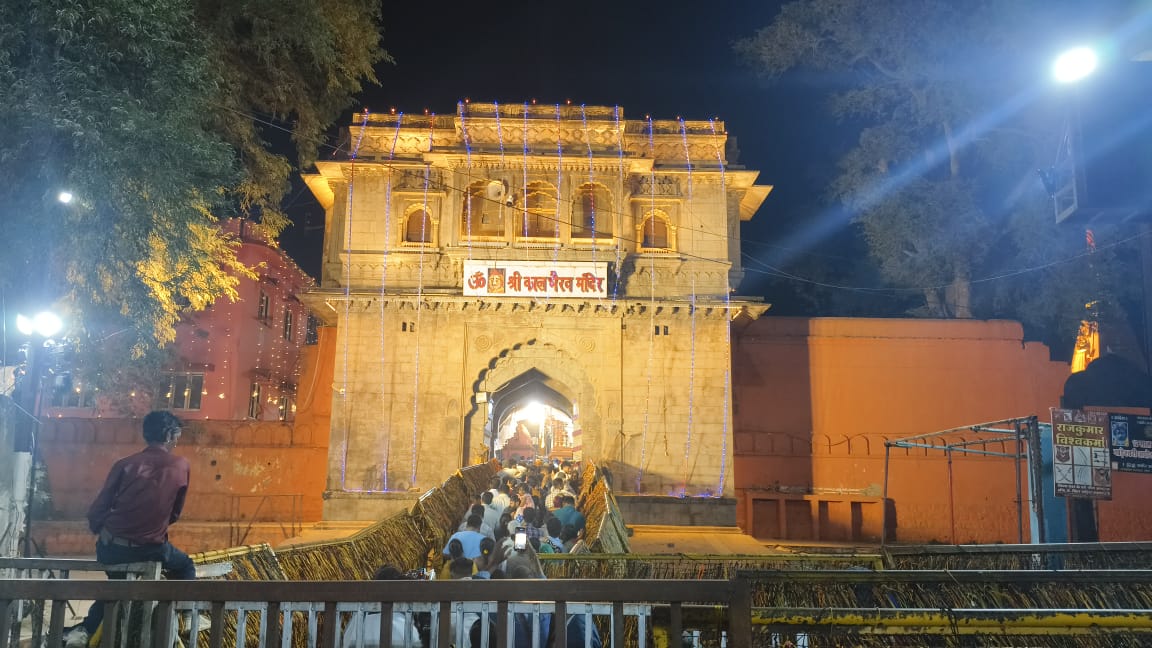
The Mahakaal Rudrasagar Integrated Development Approach (MRIDA) focuses on the historic core of Ujjain surrounding the Mahakal Temple and Rudra Sagar Lake. Within the larger Area-Based Development (ABD) zone, the MRIDA area is a highly sensitive precinct characterized by religious significance, intense pedestrian activity, recurring congestion, and periodic surges in visitor numbers during festivals and major events such as the Simhastha Mela.
While multiple infrastructure projects under MRIDA Phase I and II proposed road widening, parking facilities, and traffic capacity enhancements, these interventions were largely opportunity-driven rather than guided by an integrated mobility strategy. The mobility study was therefore initiated to develop a comprehensive and data-driven traffic and mobility plan for the area.
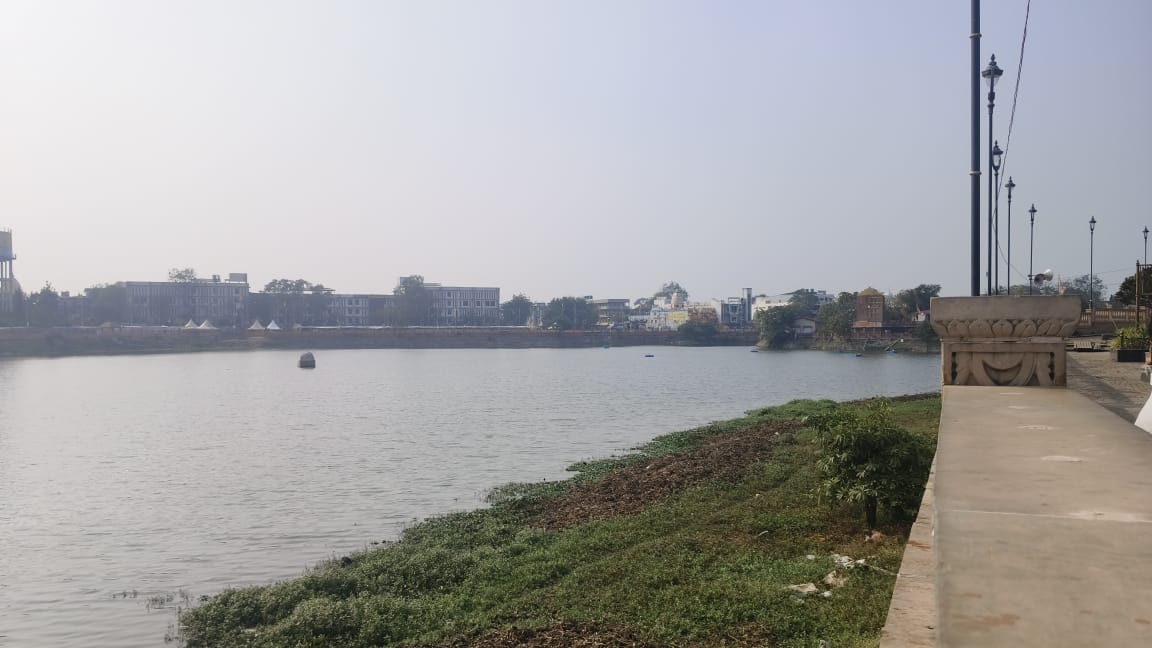
Spatial Decisions conducted a detailed mobility and traffic assessment for the MRIDA area, beginning with site visits and reconnaissance surveys. Primary mobility surveys were undertaken, including traffic volume counts, turning movement counts, on-street and off-street parking surveys, pedestrian surveys, and origin-destination studies to diagnose congestion patterns and parking inefficiencies. The collected primary and secondary data were analyzed and structured into Traffic Analysis Zones (TAZs) to support systematic assessment. Our team developed an Interim Report presenting data analysis results and evaluated multiple traffic scenarios covering regular weekdays, weekends, major festivals, and peak events such as the Simhastha Mela. The analysis supported identification of key challenges, future mobility scenarios, and priority interventions.
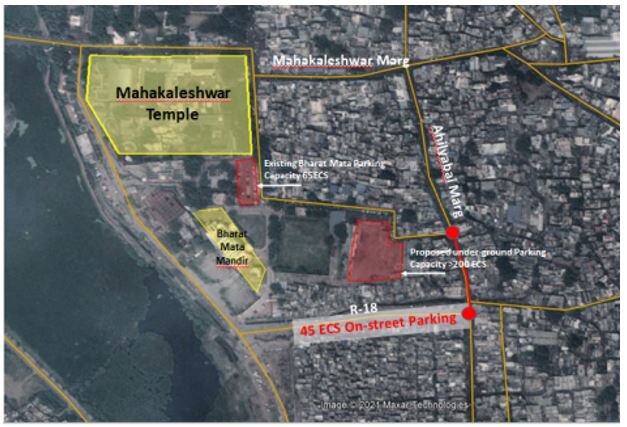
The study provides a strategic mobility framework for the MRIDA area that moves beyond isolated infrastructure projects toward an integrated approach to traffic management and movement planning. It supports informed decision-making on prioritizing mobility interventions, optimizing use of available road space and parking infrastructure, and managing peak-event traffic more effectively. The outcomes contribute to improved accessibility, reduced congestion, and a safer, more efficient mobility environment within Ujjain’s historic and religious core.